

Liu Q. et al. Osteoarthritis Cartilage. 2018 Dec;26(12)1636-1642.
13 Objective: To estimate the burden of knee osteoarthritis (OA) among Chinese 14 population. 15 Design: Individuals with symptomatic knee OA based on self-reported 16 physician-diagnosed arthritis and presence of knee pain were identified in China 17 Health and Retirement Longitudinal Study. Severity of knee OA was divided into 18 three categories: mild, moderate and severe, according to knee pain severity. We 19 estimated sex-specific years lived with disability (YLD) and YLD rate (per 100,000 20 population) by multiplying the prevalence of knee OA with appropriate disability 21 weight and examined associations between several key sociodemographic factors and 22 YLDs. 23 Results: Among 17,459 subjects (52.1% women; mean age 59.1 years) included in 24 this analysis, prevalence of mild, moderate and severe knee OA was 1.5%, 3.3%, and 25 3.9%, respectively. The total number of YLDs for knee OA in China was 4,149,628, 26 and YLDs per 100,000 population was 968. Female sex, older age, rurality, lower 27 education, and lower gross domestic production per capita were associated with high 28 MANUSCRIPT ACCEPTED ACCEPTED MANUSCRIPT YLDs rates for knee OA, respectively. The North and East regions of China had the 29 lowest YLD rate per 100,000 population for knee OA (631 and 699), followed by 30 South-central (858), Northeast (878), and Northwest (1502) regions. Southwest region 31 had the highest YLD rate from knee OA (1653). 32 Conclusions: In this nationally representative sample, we demonstrated a high burden 33 from knee OA among Chinese population. YLD rate for knee OA varied significantly 34 according to sociodemographic factors. Our study calls for an urgent need for health 35 policy support and cost-effective preventive strategies in China. 36 37
本页面为资料内容的在线呈现,便于检索与阅读;正式文件以原文件为准,处方药及专业资料请遵医嘱或由专业人员使用。
RELATED CONTENT
相关信息
相关产品
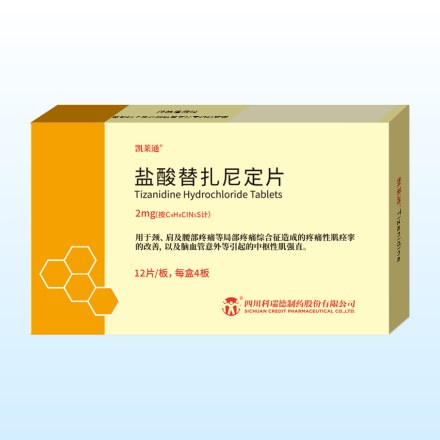


相关资料
- Airaksinen, O., et al., Chapter 4. European guidelines for the management of chronic nonspecific low back pain. Eur Spine J, 2006. 15 Suppl 2. p. S192-300.
- Andersson, G.B., Epidemiological features of chronic low-back pain. Lancet, 1999. 354(9178)581-5.
- Balague, F., et al., Non-specific low back pain. Lancet, 2012. 379(9814)482-91.
- Baron, R., et al., Neuropathic low back pain in clinical practice. Eur J Pain, 2016. 20(6)861-73.