

Tanabe M,et al. Jpn J Pharmacol.1990;54(1)69-77.
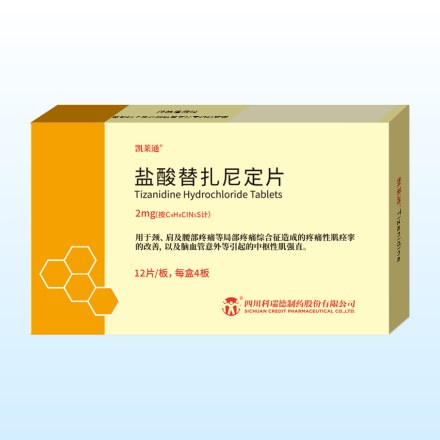
The role of descending noradrenergic fibers in the spinal motor systems was investigated using spinal reflexes in acutely spinalized rats. In rats pretreated with the MAO inhibitor clorgyline-HCl (1 mg/kg, i.v.), L-3,4-dihydroxyphenylalanine (L-dopa) (5 mg/kg, i.v.), a precursor of dopamine and noradrenaline, markedly potentiated the mono- (MSR) and polysynaptic reflexes (PSR). Selective blockade of ƒ¿1-adrenoceptors by pretreatment with prazosin-HCl abolished these facilitatory effects on the MSR and the PSR and revealed the inhibitory effect of L-dopa on the PSR. The depression of PSR was antagonized by the ƒ¿2-antagonist piperoxan. Clonidine-HCl (0.05 mg/kg, i.v.), a so-called ƒ¿2-agonist, and tizanidine-HCl (0.1 mg/kg, i.v.) decreased the MSR and the PSR in rats pretreated with prazosin. These inhibitions were antagonized by piperoxan. These results suggest that ƒ¿1- and ƒ¿2- adrenoceptors mediate facilitation and attenuation of motor transmission in the rat spinal cord, respectively. Descending noradrenergic fibers originat ing in the brain stem nuclei and terminating in the spinal dorsal horn play an important role in controlling nociceptive input into the CNS (1, 2). However, the physiological role of noradrenergic fibers in the ventral horn, where motoneurones exist, has not been fully elucidated. The locus coeruleus, a large pontine noradrenergic nucleus, which pro jects to many brain regions also projects to the ventral horn of the spinal cord (3-5). Electrical stimulation of the locus coeruleus facilitates the monosynaptic reflex (MSR) in the lumbar spinal cord in cats (6, 7) and rats (8, 9). MSR potentiation evoked by the locus coeruleus stimulation is blocked by chlor promazine or phenoxybenzamine (6, 9). Therefore, a,-receptors are likely to be involved in the MSR potentiation. L-dopa has been reported to show incon sistent effects on the spinal reflexes. L-dopa (67-100 mg/kg, i.v.) did not affect the MSR in acutely spinalized cats, whereas L-dopa inhibited the PSR and flexor reflex afferent (FRA) transmission (10). On the other hand, similar doses of L-dopa increased the MSR in spinalized cats (11) and rats (12). The discrepancy may be due to the existence of subtypes of a-adrenoceptors. Our previous report showed that a, and a2-adrenoceptors in the ventral horn mediate facilitatory and inhibitory synaptic activity in the isolated spinal cord slices of adult rats (13). In the present study, effects of a-agonists and antagonists on the spinal reflexes were stud ied using the acutely spinalized rats in an at tempt to investigate the functional role of a1 and a2 receptors in motor transmission in the spinal cord. * To whom all correspondence should be addressed . Materials and Methods Male Wistar rats, weighing 280-400 g, were anesthetized with urethane (1 g/kg, i.p.) and a-chloralose (25 mg/kg, i.p.) and were artificially ventilated. The vagus nerves were severed bilaterally at the cervical region to eliminate the parasympathomimetic action on the heart, and the spinal cord was transected at C1. Laminectomy was performed in the lumbo-sacral region. Ventral and dorsal roots below L4 were cut bilaterally, and dorsal and ventral roots of segments L4 and L5 were isolated. A skin pouch was formed at the site of the dissection so that the exposed tissues could be covered with liquid paraffin kept at 36±0.5°C. Rectal temperature was main tained at 36+0.5°C by a heating pad. The dorsal and ventral roots of segment L5 were placed on bipolar silver-silver chloride wire electrodes for stimulation (0.2 Hz, 0.05 msec, supramaximal) and recording, re spectively. The reflex potentials were am plified (Nihon Kohden AVB-10), displayed on an oscilloscope (Nihon Kohden VC-10) and recorded as an average of eight consecutive reflexes, using an averager (Nihon Kohden DAT-1100), the analog output of which was recorded (Nihon Kohden WT-625G). The amplitudes of MSR and PSR potentials were measured. Drugs were administered at least 2 hr after spinalization. Bonferroni's multiple t-test (14) was used to evaluate the drug effects. The drugs used were urethane (Wako), a-chloralose (Wako), lidocaine-HCI (Xyloca ine 4%, Fujisawa), L-3,4-dihydroxyphenyl alanine (Tokyo Kasei), clorgyline-HCI (Re search Biochemicals, Inc.), chlorpromazine HCI (Rhone Poulenc), prazosin-HCI (Taito Pfizer), haloperidol (Serenace Injection, Dainippon), piperoxan-HCI (Rhone-Poul enc), clonidine-HCI (Boehringer Sohn) and tizanidine-HCI (Sandoz). Haloperidol was diluted with physiological saline, prazosin HCI was dissolved in distilled water, and other drugs were dissolved in physiological saline. Drugs were injected into the femoral vein. Results 1. Effects of L-dopa on the MSR and the PSR: A dose of 5 mg/kg of L-dopa alone had no significant effect on the MSR or the PSR. The same dose of L-dopa showed significant increases in the MSR and the PSR in the presence of clorgyline-HCI (1 mg/kg, i.v.), an A-type MAO inhibitor administered 10 min before (Fig. 1). In the following experiments, clorgyline-HCI (1 mg/kg, i.v.) was always treated 10 min before L-dopa administration. Treatment with prazosin-HCI (1 mg/kg, i.v.), a selective a, -antagonist, at 15 min before L-dopa administration abolished the MSR and PSR potentiation induced by L dopa and depressed the PSR (Fig. 1).
本页面为资料内容的在线呈现,便于检索与阅读;正式文件以原文件为准,处方药及专业资料请遵医嘱或由专业人员使用。
RELATED CONTENT
相关信息
相关产品

相关资料
- Airaksinen, O., et al., Chapter 4. European guidelines for the management of chronic nonspecific low back pain. Eur Spine J, 2006. 15 Suppl 2. p. S192-300.
- Andersson, G.B., Epidemiological features of chronic low-back pain. Lancet, 1999. 354(9178)581-5.
- Balague, F., et al., Non-specific low back pain. Lancet, 2012. 379(9814)482-91.
- Baron, R., et al., Neuropathic low back pain in clinical practice. Eur J Pain, 2016. 20(6)861-73.