Clinical Strategies for Preventing Postoperative Nausea and Vomiting After Middle Ear Surgery in Adult Patients
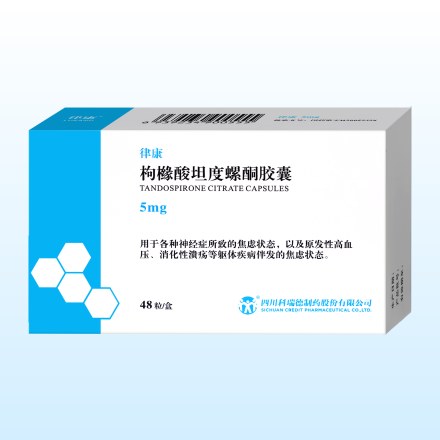
Middle ear surgery (tympanoplasty and mastoidectomy) performed under general or local anesthesia is associ- ated with a high incidence of postoperative nausea and vomiting (PONV). Between 50% and 80% of patients who un- dergo these surgical procedures experience PONV. Numerous antiemetics have been studied for the prevention of PONV after middle ear surgery. Traditional antiemetics, including anticholinergics (e.g., sc opolamine), phenothiazines (e.g., promethazine), butyrophenones (e.g., droperidol), and benzamide (e.g., metoclopramide), are used for the prevention of PONV during 0-24 h after anesthesia. The available nontrad itional antiemetics that have been shown to be effective for the prophylaxis against PONV are propofol, dexamethasone, tandospirone, and midazolam. Antiserotinins (ondansetron, granisetron, and ramosetron) are highly effective in decreasing the incidence of PONV for 24 h postoperatively, compared with traditional antiemetics. Ramosetron is effective for the l ong-term (up to 48 h) prevention of PONV. None of the available antiemetics is entirely effective, perhaps because most of them act through the blockade on one type of receptor. There is a possibility that combined antiemetics with different sites of activity would be more effective than one drug alone for preventing PONV. Nonpharmacological techni que is acustimulation at P6 (Nei-Kuwan) point. Clinicians should consider these clinical strategies as mentioned above for preventing PONV after middle ear surgery in adult patients.
本页面为资料内容的在线呈现,便于检索与阅读;正式文件以原文件为准,处方药及专业资料请遵医嘱或由专业人员使用。
RELATED CONTENT
相关信息
相关产品