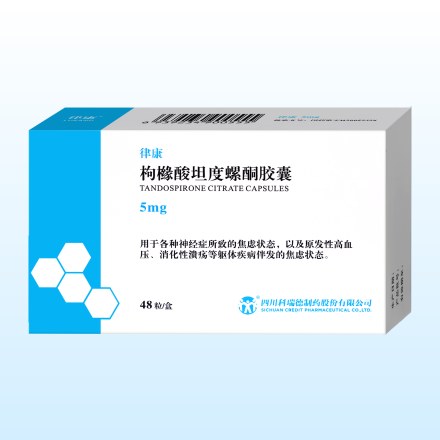

TD185-Sw98丁螺环酮对选择性5-羟色胺再摄取抑制剂治疗抑郁患者引起的性功能障碍的作用
To evaluate the possible influence of buspirone on sexual dysfunction in depressed patients treated with a selective serotonin reuptake inhibitor (SSRI), we analyzed data from a placebo-controlled trial desi gned to explore the efficacy of buspirone as add-on treatment for patients not responding to an SSRI alone. At basel ine, all patients met the criteria for a major depressive episode according to DSM-IV and had received citalo pram or paroxetine during a minimum of 4 weeks without responding to the treatment. Buspirone (flexible dosa ge, 20-60 mg/day) or placebo was added to the SSRI for 4 weeks; the mean daily dose of buspirone at endpoint w as 48.5 mg (SD = 1.0). Sexual dysfunction was evaluated using a structured interview. Before starting medicatio n with buspirone or placebo, 40% (47 of 117) reported at least one kind of sexual dysfunction (decreased li bido, ejaculatory dysfunction, orgasmic dysfunction). During the 4 weeks of treatment, approximately 58% o f subjects treated with buspirone reported an improvement with respect to sexual function; in the placebo group , the response rate was 30%. The difference between placebo and active drug treatment was more pronounced in women than in men. The response was obvious during the first week, with no further improvement durin g the course of the study. It is suggested that the effect of buspirone on sexual dysfunction is a result of a reversal of SSRI-induced sexual side effects rather than of an anti-depressant effect of the drug. (J Clin Psych opharmacol 1999;19:268-271) SELECTIVE SEROTONIN REUPTAKE INHIBITORS (SSRIs) have been reported to reduce libido in both sexes, t o cause anorgasmia in women, [1-10] and to increase ejaculation latency in men. [11,12] When the SSRIs are used for long-term treatment/prevention (e.g., prophylaxis of depression and panic disorder, treatment of obsessive- compulsive disorder and premenstrual syndrome), these sexual side effects may lead to noncompliance and to considerable distress in the patient. The partial 5-hydroxytryptamine-1A (5-HT1A) agonist buspirone improved sexual function when administered to patients with generalized anxiety disorder. [13] Preliminary data also suggest that adding buspirone to an SSRI may counteract the sexual side effects induced by the latter drug. [14] We undertook a placebo-controlled trial to evaluate the possibility that buspirone might enhance the therapeutic efficacy of an SSRI in depressed patients who had failed to respond to the SSRI alone. A pproximately 50% of the subjects reported marked improvement with respect to depressive symptomatology after the addition of buspirone or placebo to an SSRI (paroxetine or citalopram); however, there was no significant dif ference between the groups given buspirone and placebo, respectively. The outcome of this trial will be publ ished elsewhere. [28] Although this trial was not originally designed to evaluate the effect of buspirone on sexual dysfunction, the recent report [14] suggesting that buspirone may alleviate SSRI-induced sexual side effects prompted us to retrospectively analyze the tolerability data to explore the possibility that sexual function is more effectively restored by buspirone than by placebo. Materials and Methods One hundred nineteen patients (82 women, 37 men) with major depressive disorder and who had failed t o One hundred nineteen patients (82 women, 37 men) with major depressive disorder and who had failed t o respond to an SSRI were enrolled in a multicenter, double-blind, placebo-controlled study. Entrance criteria and study design will be described in detail elsewhere. [28] All patients had depression that met the criteria for a major depressive episode according to DSM-IV. They had received citalopram or paroxetine during a mi nimum of 4 weeks before the study, and during the last 2 weeks they were treated with a lowest daily dose of 30 mg paroxetine or 40 mg citalopram and had not responded to this regimen. Patients were randomly assigned to receive 4 weeks of treatment with buspirone or placebo to be take n in conjunction with the SSRI that they previously had been given. The patients were instructed to take buspirone/placebo every morning and every afternoon. A flexible-dose regimen was used with upward ti tration of a maximum dose of 10 mg/one tablet every third day. The investigators had the option of increasing t he dose to buspirone 60 mg (or the corresponding amount of placebo) per day, provided that adverse effects did not preclude this. The mean daily dose at endpoint was 4.7 (SD = 0.92) 10 mg tablets in the buspirone gr oup and 5.1 (SD = 1.15) tablets in the placebo group. The SSRI dose was fixed throughout the study. To evaluate side effects, subjects were explicitly asked for a number of side effect symptoms accord ing to a structured safety rating scale. [15] This interview was undertaken at baseline and approximately at days 7, 14, 21, and 28. The items regarding sexual dysfunction were decreased libido, ejaculatory dysfunction, and o rgasmic dysfunction. Because there was considerable overlap between ejaculatory and orgasmic dysfunction in men, these items were fused into one: orgasmic dysfunction. The adverse events were classified on a four- point scale on which 0 = no, 1 = mild, 2 = moderate, and 3 = severe symptoms. Remittance of sexual dysfunction w as defined as one or more of the symptoms present at baseline that were rated 0 at the following visit(s).
本页面为资料内容的在线呈现,便于检索与阅读;正式文件以原文件为准,处方药及专业资料请遵医嘱或由专业人员使用。
RELATED CONTENT
相关信息
相关产品