【英】坦度螺酮治疗肠易激综合征腹泻和焦虑症的疗效观察
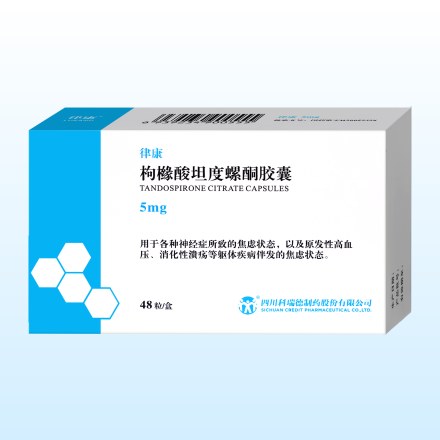
AIM: To investigate the efficacy of tandospirone in pa- tients with irritable bowel syndrome-diarrhea (IBS-D) and anxiety in a prospective, randomized, controlled study. METHODS: Two hundred patients with IBS-D and moderate anxiety were randomized to receive pinave - rium and tandospirone (arm A) or pinaverium and placebo (arm B). Tandospirone or placebo was given thrice daily at a fixed dose of 10 mg and pinaverium was given thrice daily at a fixed dose of 50 mg. The du- ration of treatment was 8 wk. Patients were assessed for abdominal pain and diarrhea. Anxiety was evaluated using the Hamilton Rating Scale for Anxiety (HAM-A). The primary study endpoints were response rates for RANDOMIZED CLINICAL TRIAL 11422 August 28, 2014|Volume 20|Issue 32|WJG|www.wjgnet.com abdominal pain and diarrhea. The secondary study endpoints were response rates for anxiety. Adverse events were also evaluated. RESULTS: One hundred and seventy of 200 patients (82 patients in arm A and 88 patients in arm B) com - pleted the study. Demographic and baseline charac - teristics of the 200 participants were comparable in the two arms. At week 8, the overall response rate for abdominal pain and diarrhea was 52.0% for arm A and 37.0% for arm B (P < 0.05). The HAM-A score showed that the response rate was 61.0% for arm A and 21.0% for arm B (P < 0.01). The treatments were well toler - ated and no significant adverse events were reported. CONCLUSION: Tandospirone is effective and can be combined with pinaverium in IBS-D patients with anxiety. © 2014 Baishideng Publishing Group Inc. All rights reserved.
本页面为资料内容的在线呈现,便于检索与阅读;正式文件以原文件为准,处方药及专业资料请遵医嘱或由专业人员使用。
RELATED CONTENT
相关信息
相关产品