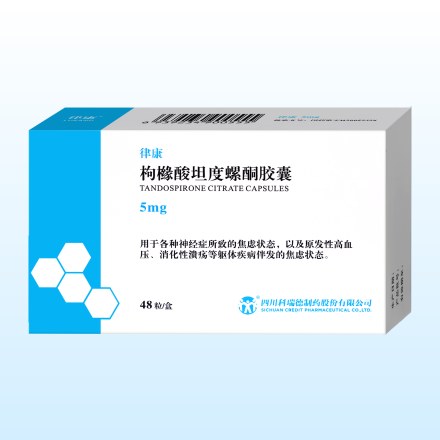

【英】坦度螺酮治疗伴有焦虑的功能性消化不良患者的临床疗效:一项随机安慰剂对照研究
Background Functional dyspepsia (FD) is characterized with multiple symptoms of indigestion and often accompanied with anxiety. However, there is currently an absence of effective treatment. Tandospirone is commonly used to treat generalized anxiety disorders. Whether tandospirone can improve the clinical symptoms of FD remain unknown. Aims The present study was designed to explore the pharmacological effect of tandospirone on FD patient with anxiety, and the potential mechanisms were also elucidated. Methods FD patients with anxiety were randomly divided into placebo and tandospirone treatment groups. Healthy vol- unteers were simultaneously recruited as control group. The gastrointestinal symptom score (GIS) and Hamilton anxiety scale (HAM-A) were performed before and after treatments with placebo or tandospirone. The serum levels of brain-derived neurotrophic factor (BDNF) and multiple inflammatory cytokines including tumor necrosis factor-α (TNF-α), and interleukin (IL)-6, IL-4, IL-1β, and IL-10 were determined. Regression analyses relating BDNF levels and gastrointestinal symptoms were performed. Results Tandospirone significantly alleviated the gastrointestinal and anxiety symptoms of FD patient, as evidenced by reductions of GIS index and HAM-A scores. Compared with the healthy volunteers, FD patients had lower BDNF and IL-10 levels, but higher levels of IL-6 and TNF-α. Importantly, tandospirone increased serum BDNF and IL-10 and decreased IL-6 levels in FD patients. Relative analysis revealed that BDNF level was negatively associated with gastrointestinal symptoms in FD patients. Conclusion Tandospirone effectively improved both anxiety and gastrointestinal symptoms of patients with FD, and these therapeutic effects may be associated with the modulation of BDNF and inflammatory cytokines.
本页面为资料内容的在线呈现,便于检索与阅读;正式文件以原文件为准,处方药及专业资料请遵医嘱或由专业人员使用。
RELATED CONTENT
相关信息
相关产品