2014-苯磺酸氨氯地平和盐酸贝尼地平对氧化应激损伤神经干细胞的神经保护作用
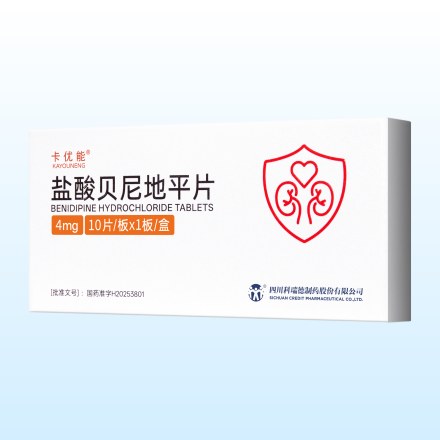
Hypertension is associated with oxidative stress. Amlodipine besylate (AB) and benidipine hydrochloride (BH), which are Ca 2þ antagonists, have been reported to reduce oxidative stress. In this study, we examined the neuroprotective effects of AB and BH on oxidative stress-injured neural stem cells (NSCs), with a focus on the phosphatidylinositol 3-kinase (PI3K) pathway and the extracellular signal-regulated kinase (ERK) pathway. After treat- ment with H 2O2, the viability of NSCs decreased in a concentration-dependent manner; however, co-treatment with AB or BH restored the viability of H 2O2-injured NSCs. H 2O2 increased free radical production and apoptosis in NSCs, whereas co-treatment with AB or BH attenuated these effects. To evaluate the effects of AB or BH on the H 2O2-inhibited proliferation of NSCs, we performed BrdU labeling and colony formation assays and found that NSC proliferation decreased upon H 2O2 treatment but that combined treatment with AB or BH restored this proliferation. Western blot analysis showed that AB and BH increased the expression of cell survival-related proteins that were linked with the PI3K and ERK pathways but decreased the expression of cell death-related proteins. To investigate whether the PI3K and ERK pathways were directly involved in the neuroprotective effects of AB and BH on H 2O2-treated NSCs, NSCs were pretreated with the PI3K inhibitor, LY294002, or the ERK inhibitor, FR180204, which signi ficantly blocked the effects of AB and BH. Together, our results suggest that AB and BH restore the H 2O2-inhibited viability and proliferation of NSCs by inhibiting oxidative stress and by activating the PI3K and ERK pathways. & 2014 Elsevier B.V. All rights reserved. 0006-8993/$ - see front matter & 2014 Elsevier B.V. All rights reserved. http://dx.doi.org/10.1016/j.brainres.2014.01.016 nCorresponding author at: Department of Neurology, Hanyang University College of Medicine, 249-1 Guri Hospital, Gyomun-dong, Guri-si, Gyeonggi-do 471-701, Republic of Korea. Fax: þ82 31 560 2267. E-mail address: ksh213@hanyang.ac.kr (S.-H. Koh). 1These two authors contributed equally to this work. brain research 1551 (2014) 1–12
本页面为资料内容的在线呈现,便于检索与阅读;正式文件以原文件为准,处方药及专业资料请遵医嘱或由专业人员使用。