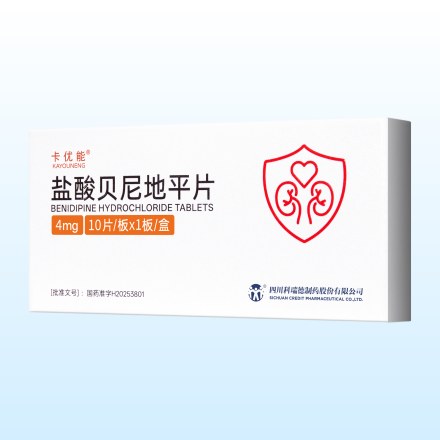

2010-降压治疗对老年高血压患者心血管事件的影响:日本贝尼地平对老年人抗高血压作用的研究 (J-BRAVE)
The achievement rate of blood pressure (BP) target and the relationship between on-treatment BP and development of cardiovascular events (i.e., stroke, myo cardial infarction, and heart failure) we re investigated in a total of 8,897 patients in the Japan’s Benidipine Research on Antihypertensive Effects in the Elderly (J-BRAVE) study, a prospective, 3-year observational study of a cal cium channel blocker-based treatment in hypertensive patients aged ≥65 years as a post-marketing surveillance. Blood pressure decreased significantly from 164.8 ± 14.1/88.2 ± 10.3 mmHg to 137.0 ± 13.5/75.6 ± 9.5 mmHg and the percentage of patients who achieved BP <140/90 mmHg was 57.2% after 3 years. The incidence of cardiovascular events was 7.54/1,000 patient-years. Subgroups of patients stratified by on-treatment systolic blood pressure (SBP) were analyzed. Baseline BP , body mass index (BMI), the dose of benidipine, the mean number of anti-hypertensive drugs, and the incidence of cardiovascular events were higher in patients with on-treatment SBP ≥160 mmHg than in those with an SBP of <130 mmHg. In patients aged 65 to 74 years (n = 5,092) and patients aged ≥75 years (n = 3,805), the percentage s of patients who achieved the BP target of <140/90 mmHg were 57.5% and 56.6% after 3 years, respectively, and the incidence of cardiovascular events was higher in patients with on-treatment SBP ≥160 mmHg in both age subgroups. The results of the J-BRAVE study show that on-treatment SBP ≥160 mmHg is associated with a higher incidence of cardiovascular events in elderly hypertensive patients.
本页面为资料内容的在线呈现,便于检索与阅读;正式文件以原文件为准,处方药及专业资料请遵医嘱或由专业人员使用。