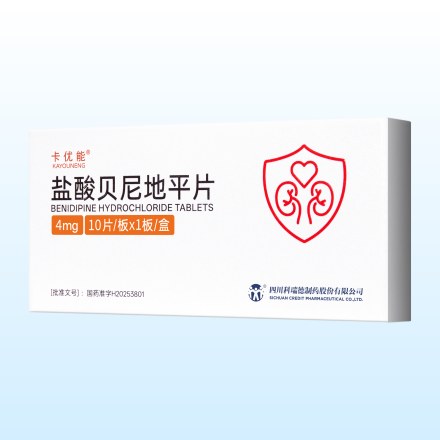
盐酸贝尼地平在高血压患者中的抗氧化作用(独立于降压作用)及血压与氧化应激的关系
This study investigated the significance of measuring plasma level of thiobarbitu- ric acid reactive substance (TBARS) in pa- tients with hypertension and compared the clinical effects of benidipine hydro- chloride (CAS 91599-74-5, Coniel ) and amlodipine besylate (CAS 111470-99-6) on plasma TBARS. At first, blood pres- sure and plasma TBARS were measured in 85 untreated patients (48 males and 37 females, 68 years old on average) with at least one risk factor of cardiovascular disease to investigate factors which had influence on plasma TBARS. As the re- sult, plasma TBARS was significantly hig- her in those with hypertension, which was also true when adjusted for other fac- tors (r = 0.359, p< 0.01). Among these pa- tients, benidipine hydrochloride at the dose of 4 mg/day was administered to 49 patients with hypertension or angina pec- toris. All patients stratified for each fac- tor showed significantly decreased plasma TBARS after benidipine hydroch- loride treatment. Second, 40 untreated patients with essential hypertension were randomly assigned to the amlodipine group (5 −7.5 mg/day) or benidipine group (4 −8 mg/day) to compare the plasma TBARS levels. Plasma TBARS le- vels were significantly decreased in both groups. The amlodipine group showed a Antioxidative Effects of Benidipine Hydrochloride in Patients with Hypertension Independent of Antihypertensive Effects Relationship between blood pressure and oxidative stress Osamu Suzukia, Takayuki Y oshidaa, Shigeya Tania, Kimihiko Kato a, Akihiko Y oneyamaa, Tsuyoshi Hibinoa, Kiyoshi Yokoi a, Tatsuaki Matsubarab Department of Cardiology, Gifu Prefectural Tajimi Hospital a, Gifu (Japan) and Department of Internal Medicine, Aichi-Gakuin University, School of Dentistry b, Nagoya (Japan) positive correlation between the decrease in plasma TBARS level and those in both diastolic and systolic blood pressures af- ter treatment. On the other hand, benidi- pine hydrochloride decreased plasma TBARS to a greater degree than both dia- stolic and systolic blood pressures. These findings suggest that patients with hyper- tension have high plasma TBARS, and be- nidipine hydrochloride decreases not only blood pressure but also oxidative stress in the clinical practice.
本页面为资料内容的在线呈现,便于检索与阅读;正式文件以原文件为准,处方药及专业资料请遵医嘱或由专业人员使用。